
Red Oak Cutting Boards: Are They a Good Choice for Your Kitchen?
Founder of Woods and Wax with over a decade of business and marketing experience and several years building handcrafted hardwood cutting boards in Utah
Red oak is a beautiful, strong hardwood that shows up in everything from flooring to furniture—but when it comes to cutting boards, it sparks a lot of debate.
At Woods and Wax, we believe in helping people choose the right wood for the right use, not just what looks good. In this guide, we’ll break down what red oak cutting boards are, their pros and cons, and whether they’re actually a smart choice for your kitchen.
What Is Red Oak?
Red oak is a widely available North American hardwood known for:
- Its distinct, open grain pattern
- Strong structural properties
- Warm reddish tone
Key Characteristics:
- Janka hardness: ~1290
- Open grain structure
- Highly porous compared to maple or walnut
👉 While red oak is durable, its grain structure is what makes it controversial for cutting boards.
The Big Question: Is Red Oak Good for Cutting Boards?
Short answer:
👉 It depends on how you plan to use it.
Red oak is strong and affordable, but it has a major drawback:
- Its open grain absorbs moisture more easily
This affects:
- Hygiene
- Longevity
- Maintenance requirements
Let’s break it down.
Pros of Red Oak Cutting Boards
1. Strong and Durable
Red oak is a hardwood, meaning:
- It can handle heavy use
- Resistant to deep gouging
- Holds up well structurally
👉 Good for utility use and general prep
2. More Affordable Than Premium Hardwoods
Compared to maple or walnut:
- Red oak is typically less expensive
- More accessible for larger boards
👉 Great for:
- Budget-conscious buyers
- Large surface boards
3. Unique, Rustic Appearance
Red oak has a bold grain pattern that:
- Stands out visually
- Fits rustic or farmhouse kitchens
- Adds character
4. Readily Available (Domestic Supply)
Red oak is widely sourced in the U.S., which means:
- More sustainable sourcing options
- Consistent supply
- Lower cost variability
Cons of Red Oak Cutting Boards
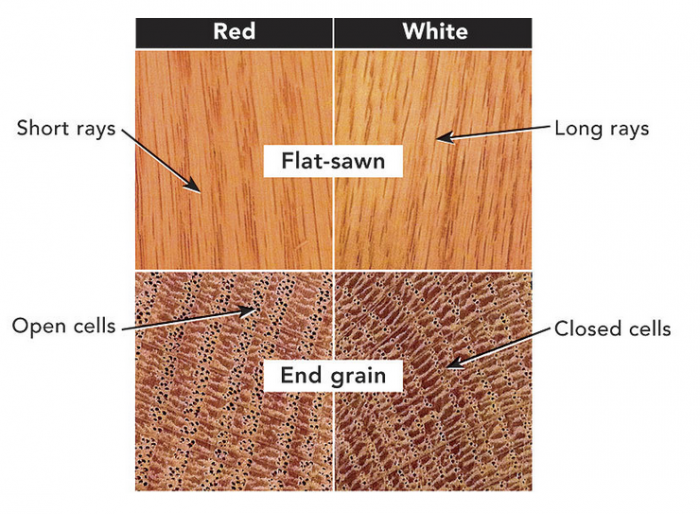
1. Open Grain = More Moisture Absorption


5
This is the biggest issue.
Red oak has large, open pores that can:
- Absorb water like a sponge
- Trap bacteria more easily
- Lead to faster wear if not maintained
There’s a well-known “straw test” where air can pass through red oak due to its open grain—something you don’t see in maple.
2. Requires More Maintenance
To keep a red oak board in good condition:
- More frequent oiling is needed
- Must be kept very dry
- Needs careful cleaning
3. Not Ideal for Raw Meat Prep
Because of its porosity:
- It’s not the best option for handling raw meats
- Higher risk of moisture retention
👉 Better suited for:
- Vegetables
- Bread
- Light prep
4. Can Be Tougher on Knives (Depending on Build)
While not excessively hard, red oak:
- Feels firmer than maple in some builds
- Doesn’t “self-heal” like end grain boards
🪵 Red Oak vs Maple Cutting Boards
| Feature | Red Oak | Maple |
|---|---|---|
| Grain Type | Open | Closed |
| Moisture Resistance | Lower | Higher |
| Maintenance | Higher | Moderate |
| Price | Lower | Moderate |
| Best Use | Light prep | All-purpose |
👉 Maple is generally the safer all-around choice, but red oak has its place.
When a Red Oak Cutting Board Does Make Sense
Red oak can still be a great option if you:
✔ Want a Budget-Friendly Hardwood Board
✔ Prefer a Bold, Rustic Look
✔ Use It for:
- Bread slicing
- Vegetables
- Serving or display
✔ Are Willing to Maintain It Properly
When to Avoid Red Oak
You may want to choose maple, walnut, or cherry instead if you:
- Regularly cut raw meats
- Want low-maintenance care
- Prefer a more hygienic, closed-grain surface
- Are investing in a long-term daily-use board
How to Care for a Red Oak Cutting Board


5
Because of its open grain, care is especially important.
Daily Cleaning
- Wash with warm water and mild soap
- Dry immediately
- Never soak
Frequent Conditioning (More Than Other Woods)
- Apply mineral oil or beeswax regularly
- Let it fully absorb
👉 This helps seal pores and reduce moisture absorption
Storage Tips
- Store upright for airflow
- Avoid humid environments
Sustainability of Red Oak
Red oak is one of the most abundant hardwoods in North America.
At Woods and Wax, we value:
- Domestic sourcing
- Responsible forestry practices
- Minimizing waste in production
👉 This makes red oak a more sustainable option compared to imported hardwoods
What to Look for in a Red Oak Cutting Board
If you’re considering one, focus on:
✔ Proper Sealing
- Oil + beeswax finish is critical
✔ Thickness
- At least 1” to prevent warping
✔ Intended Use
- Match the board to your kitchen habits
Red Oak Cutting Boards: Final Verdict
Red oak cutting boards are:
- ✅ Durable
- ✅ Affordable
- ✅ Visually striking
But also:
- ⚠️ More porous
- ⚠️ Higher maintenance
- ⚠️ Not ideal for all uses
Final Thoughts (And the Best Way to Choose)
If you’re looking for:
- A primary, everyday cutting board → maple is usually the better choice
- A secondary board, serving piece, or budget option → red oak can work well
At Woods and Wax, we believe the best cutting board is the one that fits how you actually cook. Whether that’s maple, walnut, or red oak, choosing the right material makes all the difference.
Looking for a Board That Fits Your Kitchen?
Explore handcrafted options at WoodsandWax.com, where every cutting board is built with purpose, performance, and longevity in mind.