
Wood Density Guide: Choosing the Right Cutting Board for Your Kitchen
When selecting a premium hardwood cutting board, density matters — not just for durability, but for how it interacts with your knives.
Too soft? The board scars easily.
Too hard? It can dull your blade prematurely.
Just right? It protects your knives while standing up to years of kitchen use.
At Woods & Wax, we craft solid hardwood boards designed to balance performance, longevity, and blade protection. Below is a breakdown of six popular hardwoods used in high-quality cutting boards:
- White Oak
- Red Oak
- Hard Maple
- Walnut
- Padauk
- Purpleheart
We’ll compare wood density (via Janka hardness), grain structure, and ideal kitchen use — whether you’re butchering meats or slicing delicate sushi.
Understanding Wood Density (Janka Hardness)
The Janka hardness rating measures how resistant wood is to denting and wear. Higher numbers mean harder wood.
Approximate Janka ratings:
| Wood | Janka Hardness (lbf) |
|---|---|
| Walnut | ~1,010 |
| Red Oak | ~1,290 |
| White Oak | ~1,360 |
| Hard Maple | ~1,450 |
| Padauk | ~1,970 |
| Purpleheart | ~2,520 |
For context, hard maple is widely considered the professional kitchen standard because it balances durability with knife preservation.
🌳 White Oak

4
Density: ~1,360 lbf
Grain: Tight, closed
Moisture Resistance: Excellent
White oak contains natural tyloses that block pores, making it more water-resistant than many hardwoods.
Best For:
- Butchering poultry
- Breaking down larger cuts
- High-moisture environments
Knife Impact:
Durable without being overly harsh. Works well with Western knives and performs safely with Japanese blades.
Explore our handcrafted White Oak Cutting Boards built for strength and long-term durability.
🌲 Red Oak

4
Density: ~1,290 lbf
Grain: More open than white oak
Red oak is slightly softer than white oak but has a more open grain structure.
Best For:
- Vegetable prep
- Bread slicing
- Light protein prep
Knife Impact:
Forgiving for most knives, though typically better suited for lighter-duty prep compared to maple or white oak.
🍁 Hard Maple

Density: ~1,450 lbf
Grain: Very tight, closed
Hard maple is often considered the gold standard for cutting boards.
Best For:
- Sushi preparation
- Precision slicing
- Everyday cooking
- Professional kitchens
If you use Japanese knives (gyuto, santoku, yanagiba), maple provides excellent blade protection while resisting deep gouges.
View our premium Maple Cutting Boards crafted from solid hardwood and finished with food-safe beeswax.
🌰 Walnut

Density: ~1,010 lbf
Grain: Tight, softer hardwood
Walnut is noticeably softer than maple or oak, making it one of the most knife-friendly hardwoods available.
Best For:
- Sushi & sashimi
- Fine vegetable work
- Precision slicing
- Protecting high-end knives
If blade longevity is your top priority, walnut is extremely gentle on edges.
Shop our handcrafted Walnut Cutting Boards for a beautiful, knife-friendly surface.
🟥 Padauk

4
Density: ~1,970 lbf
Grain: Dense and stable
Color: Rich red-orange
Padauk is significantly harder than maple or oak.
Best For:
- Heavy-duty prep
- Decorative or accent boards
- High-wear areas
Knife Impact:
Because of its density, extended use may dull knives slightly faster — particularly thin Japanese blades. Best used as accent strips in multi-wood boards.
🟣 Purpleheart

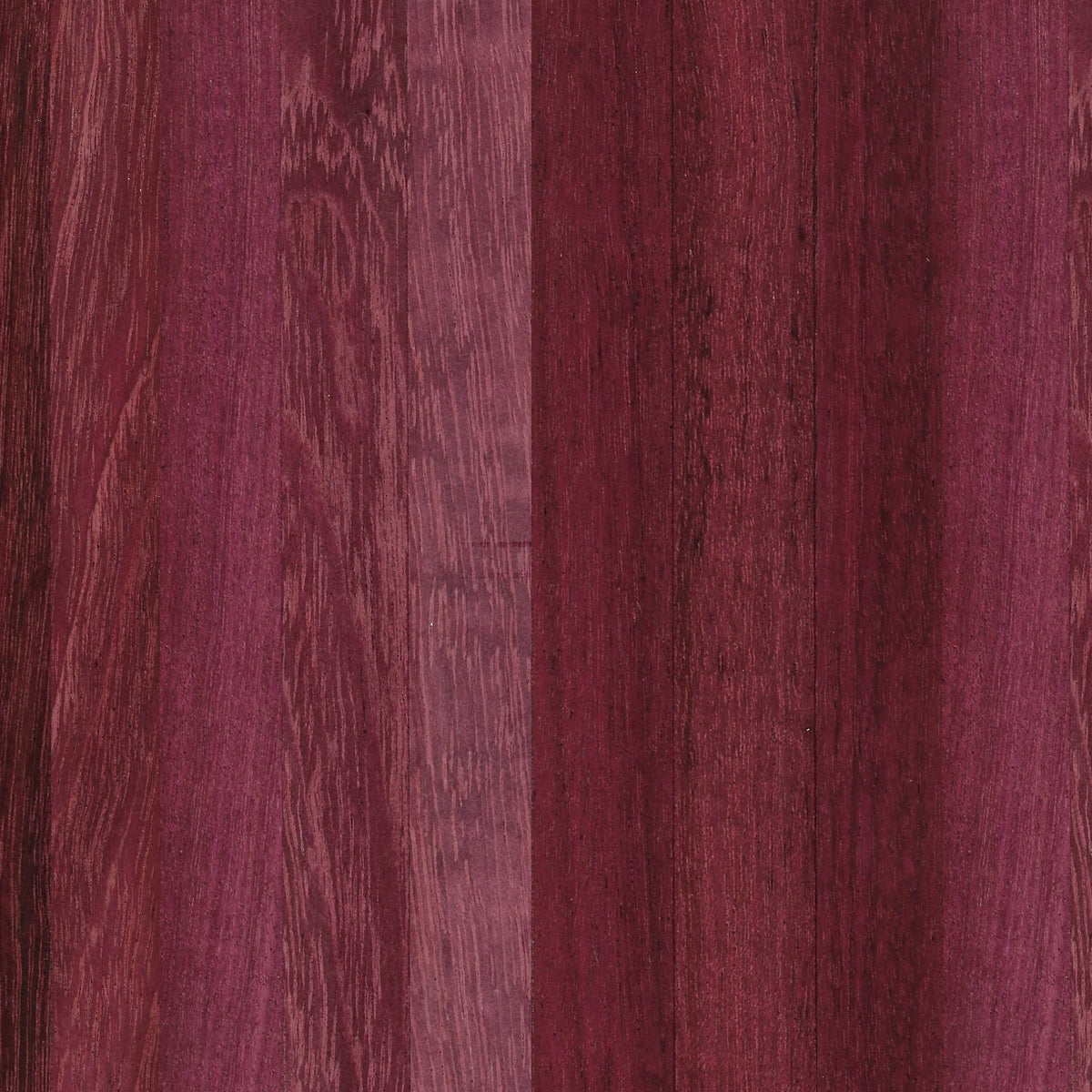
Density: ~2,520 lbf
Grain: Extremely dense
Color: Deep purple
Purpleheart is one of the hardest commonly used hardwoods in cutting board construction.
Best For:
- Accent pieces
- Decorative boards
- Light-duty prep
Knife Impact:
Due to its hardness, frequent chopping may dull blades faster. It’s typically best incorporated alongside softer hardwoods.
Matching Wood to Kitchen Tasks
🥩 For Butchering Meats
Best Choices:
- White Oak
- Hard Maple
These woods offer durability while still protecting knife edges during heavier chopping.
🍣 For Sushi & Japanese Knives
Best Choices:
- Walnut
- Hard Maple
These provide a gentler cutting surface to preserve razor-sharp edges.
🥕 For an Everyday All-Around Board
Best Choice:
- Hard Maple
Balanced hardness, tight grain, professional-level performance.
At Woods & Wax, our boards are:
- Solid hardwood (no stains or glued composites)
- Quadruple sanded for smoothness
- Finished with our food-safe beeswax blend
- Built to sit flat on both sides
If you want a board that protects your knives while elevating your kitchen aesthetic, explore our full collection of handcrafted hardwood cutting boards today.
Your knives — and your food — deserve the right surface.
Leave a Reply